The Street Before the Sofa: A 2026 Neighbourhood Audit for First-Time Buyers
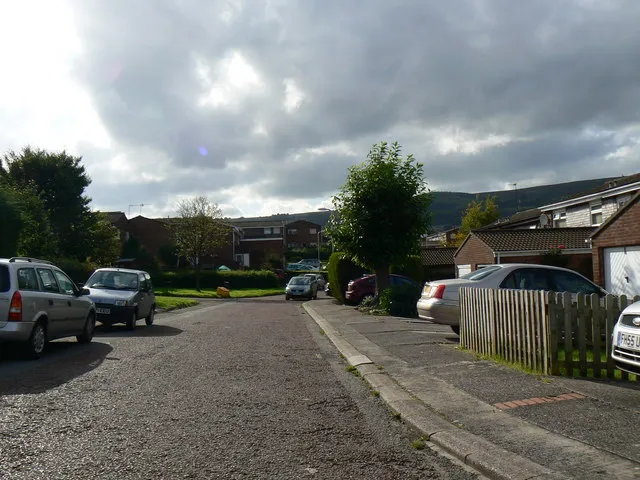
Photo: Colin Madge, CC BY-SA 2.0, via Wikimedia Commons
Falling for a property is easy. The light in the living room, the neat little balcony, the fact that the kitchen is not avocado green. What is harder is falling for a location without actually testing it. First-time buyers in 2026 are navigating high asking prices, tight affordability checks and a lot of noise online. The property listing will tell you the square footage. It will not tell you that the bin lorry arrives at 6.15am, that the footpath floods every February or that a planning application could put a delivery depot at the end of the road.
This is the neighbourhood audit: a pressure test for the postcode before you commit.
Why the street matters as much as the square footage
A flat you love on a street you resent is an expensive mistake. You can change the paint, the sofa and the light fittings. You cannot move the pub garden, the railway line or the recycling centre. Before you book a second viewing, spend time on the street without the estate agent. Go on a weekday morning, a school-run afternoon and a weekend evening. The difference between those three visits will tell you more than any brochure.
The 15-minute walk test, done properly
The idea is simple: from the front door, walk for 15 minutes in a few directions and note what you can actually reach. Not what looks close on a map, but what feels close on a wet Tuesday. Can you get to a shop for milk, a pharmacy, a park and a bus stop without crossing a dual carriageway? Is the pavement wide enough for a buggy or a suitcase? Are there dropped kerbs, street lights and somewhere to sit?
Do the walk twice: once in daylight and once after dark. The route that feels fine at 11am can feel very different at 9pm. If you are buying near a station, test the walk at rush hour, not just on a Sunday. Commuter footfall, parking pressure and crossing times all change the feel of a street.
Water, noise and the things maps reveal
Check the Environment Agency flood map for river and sea flooding, and look at surface water risk too. Surface water flooding is easy to overlook and can affect streets that are nowhere near a river. Ask your solicitor about flood searches and insurance implications. If the property has a basement or a lower ground floor, ask specific questions about damp and drainage.
Noise is the other invisible issue. Look at railway lines, flight paths, main roads, pubs, late-night takeaways and delivery yards. Visit at different times. Stand outside and listen. If the flat is near a station, check how often trains run and whether freight passes at night. Noise can be managed with glazing and curtains, but it cannot be moved.
Transport quirks that do not show on the listing
A station on the map is not the same as a useful station. Check the zone, the frequency, the last train and the walk to the platform. If you drive, look at parking permits, controlled parking zones and whether the street has a residents' scheme. If you cycle, check for protected routes and somewhere secure to leave a bike. If you rely on buses, look at the timetable after 8pm and on Sundays, not just the daytime frequency.
Also check the small stuff: the nearest post office, the GP surgery catchment, the library, the leisure centre and the recycling point. These are the places that make a neighbourhood work on ordinary days.
Read the local plan (yes, really)
Local plans are not bedtime reading, but they are useful. They set out how a council expects an area to change: housing targets, transport schemes, green spaces, employment land and regeneration. Look at the planning portal for applications near the property. A single application for a small extension is normal. A cluster of applications for tall buildings, waste facilities or road widening is worth understanding before you buy.
You do not need to become a planning expert. You need to know what could change the view, the traffic or the feel of the street in the next five years.
The high street tells a story
A high street is a rough indicator of direction of travel. Look at vacancy rates, the mix of shops and whether people are using the place. A street with a library, a market, a decent café and a busy bakery usually has more going for it than a parade of empty units and betting shops. But do not judge too quickly: a run of charity shops can signal affordability, and a new coffee shop can signal change. Look for signs of care: clean pavements, planted boxes, noticeboards, community events.
Talk to people. A polite question in a local Facebook group or to a shopkeeper can reveal more about antisocial behaviour, parking or damp than a dozen viewings. Ask what they like and what they would change. Most people are happy to tell you.
The paperwork that backs up the vibe
Before you exchange, make sure your solicitor has checked the title, the searches, the council tax band and any restrictive covenants. For flats, ask about service charges, ground rent and the building safety information. Check broadband speeds if you work from home, and get a buildings insurance quote before you commit. A neighbourhood that looks lovely but is expensive to insure is a detail worth knowing early.
Finally, make a simple scorecard. Rate the street on transport, noise, flood risk, amenities, green space and future plans. If the property scores highly but the location scores poorly, be honest about what that means for your daily life. The right flat on the wrong street is still the wrong move.