The Adjective Trap: A Room-by-Room Guide to UK Listing Speak
Property listings are not descriptions. They are advertisements wearing a description’s clothes. That does not make them dishonest, exactly, but it does mean every adjective is doing a job — and usually that job is to make you feel something before you have asked a single useful question.
For first-time buyers in 2026, the trick is not to become cynical about every listing. It is to treat the language as a prompt. When you read ‘cosy’, ask what is missing. When you read ‘quirky’, ask what has been awkwardly shaped. Here is a room-by-room decoder for the phrases UK agents reach for most often, plus the checks worth making before you fall for the fiction.
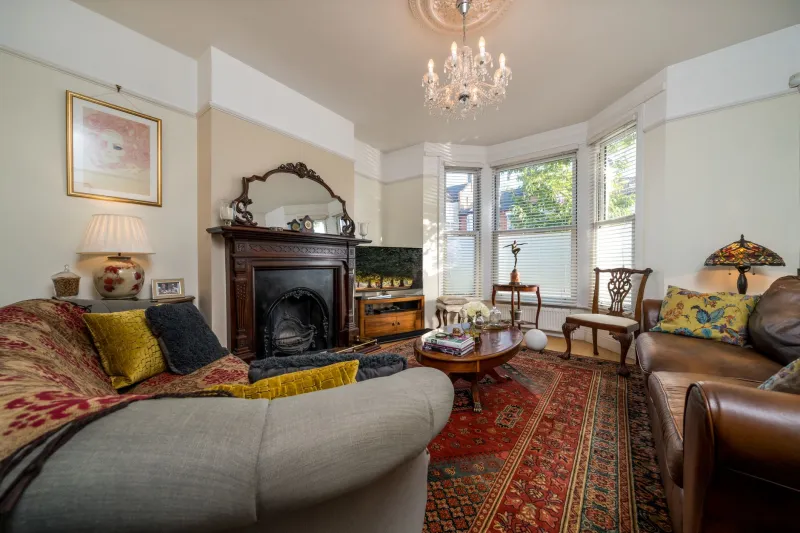
The living room: ‘cosy’ and ‘snug’
‘Cosy’ is the great British euphemism. It can mean genuinely warm and well-proportioned. More often it means small, dark, or both. ‘Snug’ is the same idea with a smaller floor plan and a slightly more romantic hat on.
Stand in the room during a viewing and look at what the photos cropped out. Is there a radiator, and does it look old enough to have opinions? Which way do the windows face? A north-facing living room with a single-glazed sash window is not cosy; it is a jumper you have to pay for. Check the EPC for the property’s heating and insulation assumptions, but remember it is a model, not a guarantee. Ask the agent: ‘What are the actual room dimensions, and can you send the floor plan with measurements?’ Then measure your sofa.
The kitchen: ‘compact and practical’
‘Compact’ usually means you will be doing the cha-cha with the fridge. ‘Practical’ may mean someone has squeezed a washing machine under a worktop and called it a layout. None of this is a dealbreaker in a flat, but it is worth being honest with yourself about how you cook.
Open the cupboards. Check whether a standard-size fridge freezer will fit where the current one sits. Look at the extraction — or the lack of it. Ask where the bins go, where the recycling goes, and whether there is space for a dishwasher if you want one later. In leasehold flats, also ask what the service charge covers and whether any kitchen works need freeholder consent.
The bedroom: ‘full of character’
‘Character’ is one of those phrases that can mean exposed beams and original floorboards, or it can mean wonky walls, low ceilings, and a window that rattles in a way that feels less charming at 6am in February. Period homes are lovely. They are also maintenance.
Check the windows. Are they single glazed? Do they open? Is there condensation between the panes or damp on the reveals? Look at the ceiling for hairline cracks and the corners for mould. Ask when the boiler was last serviced and whether there is any history of damp or timber treatment. If the bedroom is in a loft conversion, ask about building regulations sign-off. ‘Character’ should not be a synonym for ‘unanswered paperwork’.
The bathroom: ‘family bathroom’ and ‘shower room’
A ‘family bathroom’ sounds generous. In practice it may mean a bath with a shower screen and just enough floor space to dry one foot at a time. A ‘shower room’ means no bath, which matters if you have small children or plan to sell to someone who does.
Run the hot tap and flush the loo at the same time if you can. Weak water pressure is easier to spot in person than in a floor plan. Check the extractor fan, the sealant around the bath, and the ceiling below if the bathroom is upstairs. Ask whether the bathroom is on the same floor as the boiler and how the hot water is heated.
The hallway: ‘welcoming’ and ‘good storage’
Hallways sell the dream of a calm arrival. The practical question is whether you can get a buggy, a bike, and a coat through the door without playing Tetris. ‘Good storage’ might mean a cupboard that fits one Hoover and a bag of rice.
Open every cupboard door. Measure the width of the front door and the internal doors if you have bulky furniture coming. In a rental, check what you are allowed to hang and drill. In a purchase, look for signs of damp behind coats and shoes — hallways are where condensation likes to hide.
The garden: ‘low maintenance’ and ‘courtyard’
‘Low maintenance’ often means paved. ‘Courtyard’ often means paved with walls. Neither is bad if you want a table and a plant pot rather than a lawnmower, but be clear about what you are buying.
Check which way the garden faces and how much sun it gets at different times of day. Look at drainage, especially if the garden slopes towards the house. Ask about access rights, boundary responsibilities, and whether there is a shared alley or a right of way. In a flat, check whether the outdoor space is exclusive or shared, and who maintains it.
The layout: ‘quirky’ and ‘versatile’
‘Quirky’ is the agent’s way of saying the floor plan does something unusual. ‘Versatile’ often means a room that is technically a bedroom but practically a corridor. Quirky layouts can be charming, but they can also eat furniture budgets.
Ask for the floor plan before the viewing and sketch your existing furniture onto it. Look for wasted circulation space, rooms you have to walk through to reach other rooms, and ceilings that drop without warning. If a room is marketed as a bedroom, check whether it has a window and a radiator. If it is marketed as a study, check whether you could actually work there without a laptop on your knees.
The headline phrases: ‘first-time buyer opportunity’ and ‘ready for modernisation’
‘First-time buyer opportunity’ can mean affordable and perfectly fine. It can also mean small, leasehold with a short lease, or carrying a service charge that makes the mortgage look cheap. ‘Ready for modernisation’ means dated. Sometimes it means ‘bring a builder’.
Before you offer, ask for the lease length, the annual service charge, the ground rent, and any planned major works. If the building has cladding or is over 18 metres, ask about EWS1 status. Ask what ‘modernisation’ has involved in neighbouring flats. Get a full survey — not just the mortgage lender’s valuation — and read it properly.
The viewing kit
Take a tape measure, a torch, and a phone for photos of things the listing did not show. Ask open questions and write down the answers. ‘When was the boiler installed?’ is a better question than ‘Is it warm?’ ‘Which windows are single glazed?’ is better than ‘Are the windows okay?’
Listings are written to make you imagine living there. That is fine. Just do the imagining after you have checked the radiators, the lease, the water pressure, and the floor plan. The adjectives are the invitation. The questions are the actual viewing.