Six Minutes of Silence: What to Listen For in Every Room of a Flat

Photo by Photo by Chun Chen on Unsplash on Unsplash
Every viewing has a rhythm to it. The agent unlocks the door, you say something about the hallway being "deceptively spacious", and then you spend twenty minutes opening cupboards and mentally arranging furniture. What almost nobody does is stand still and shut up.
Which is a shame, because in a flat, sound is the feature you can't repaint. You can live with a beige bathroom. You can't easily live with a neighbour who lifts weights at 6.40am.
So here's a practical, room-by-room sound audit — the sort of thing you can do in six or seven minutes without anyone thinking you've lost the plot.
Why flats are heard before they're seen
Acoustics in UK flats come down to two things: what the building is made of, and when it was made.
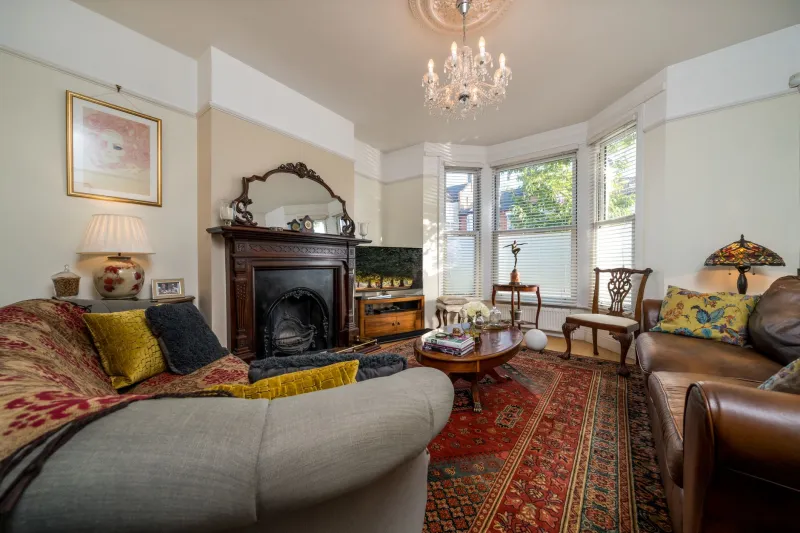
A Victorian or Edwardian conversion — the sort with high ceilings and a bay window — usually has timber joists running between flats, original floorboards, and lath-and-plaster walls. It looks gorgeous. It also transmits footfall, conversations and the occasional dropped saucepan with alarming clarity.
A 1960s or 1970s block, by contrast, often has a concrete frame and solid floors. Structure-borne noise from above tends to be lower, but flanking noise through walls, service risers and ventilation can be a nuisance instead.
New-build flats are covered by stricter sound insulation requirements — Part E of the Building Regulations sets minimum standards for new dwellings and for conversions — but those rules only apply to work done after they came into force. A 1990s block may well be perfectly liveable and still perform well below what a 2020s build would deliver.
None of this tells you exactly what this flat sounds like. Only the flat can do that. So:
The front door test
Before you go in, pause in the communal hallway and don't say anything for a moment. What you're hearing now is what you'll hear every time you come home.
Listen for the entryphone buzzing in another flat, a lift motor, a communal door slamming, a washing machine thumping through the floor, or the echo of the stairwell itself. Bin store doors, bike sheds and shared front doors are all part of the soundtrack.
Also glance at the condition of neighbours' doors. Well-fitted, solid-feeling doors with proper seals suggest a building where someone has thought about noise. Hollow, gappy doors suggest the opposite — and it's a fair bet the same attitude runs through the walls.
Hallway and party wall
Once inside, close the front door behind you and stand in the hall. Count to sixty in your head. This feels far longer than it sounds, which is the point — most domestic noise is intermittent, and thirty seconds won't catch it.
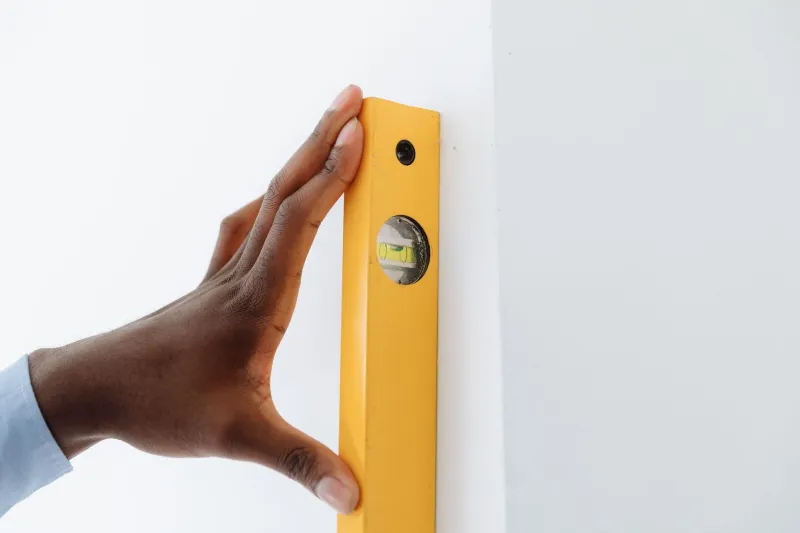
Put a hand flat on what you think is the party wall. If it's warm, carries a chimney breast, or has a socket box, it's probably shared. Sound loves a socket; back-to-back plug points are a classic leak route in older conversions.
Ask the agent which walls are shared and which are external. It's a completely normal question and it tells you where to concentrate.
Living room
This is where street noise lives, so open a window and listen with it open as well as shut. Double glazing dulls traffic, but it also masks what you're buying: a main road is still a main road at 7am in July with the windows open.
Check the trickle vents — the small slatted openings above many modern windows. They're a ventilation requirement, and they're also a hole in your acoustic defences. Listen through one with the window closed.
If the flat is near a railway, a flight path, a school or a pub with a beer garden, say so out loud and watch the agent's face. Then ask the question that matters: "When was this last noisy?"
Kitchen
Kitchens are the plumbing hub, and plumbing is where sound travels sideways and upwards. Run the hot tap. Listen for the boiler firing, for pipes knocking as they expand, and for the gurgle of a shared waste pipe.
Turn the extractor fan on. Some are near-silent; some sound like a light aircraft. If it's ducted into a shared shaft, you may also hear next door's cooking, their fan, or both.
Ask where the washing machine sits and, if it belongs to the flat above, roughly where. A machine on a timber floor directly over your kitchen ceiling is worth knowing about before you fall in love with the tiles.
Bathroom
Flush the loo. It's the single most revealing thing you can do in a flat, and nobody will think it strange.
You're listening for two things: how loud the flush is, and whether the soil stack — the big pipe carrying waste down through the building — runs beside a bedroom or a living space. In many conversions it does, boxed in but not soundproofed.
Turn on the shower and note the water pressure while you're there. Weak pressure is a daily irritation, and a shared supply can drop when next door runs a bath.
Bedrooms
Bedrooms deserve the most attention because that's where noise does damage — not to the plaster, to your sleep.
The key test is above your head. Ask the agent whether anyone is in the flat upstairs, and if so, whether they'd mind walking about for a minute. That's a slightly bold request, so have a backup: ask when the upstairs flat was last sold or let, and whether the current occupier works unusual hours. Any decent agent will know whether the upstairs neighbour is a night-shifter or a family with a toddler.
Look at the ceiling too. Fresh plasterboard, a dropped ceiling or a boxed-in section can be a genuine sound improvement — or a cover-up. Ask what was done and why.
One more thing worth knowing: many leases on upper-floor flats include a carpet clause, requiring floor coverings that reduce impact noise. It's common in conversions and purpose-built blocks alike. If the flat above you has stripped boards and a hard floor, that's worth a polite question, because the clause may exist and may not be enforced.
The polite toolkit
You can do a lot of this in one viewing, but the real answer comes from a second visit at a different time. Ask for an early evening or Saturday morning slot — the two windows when a building shows its true character.
Before you offer, also read the paperwork. The TA6 Property Information Form that sellers complete includes questions about complaints and disputes with neighbours, and it's not a box most people fill in lightly.
And if you're standing at the bins and a neighbour appears, say hello. A thirty-second chat about what the building is like to live in will tell you more than any floorplan. At Domie we'd take that over a wide-angle photo of a kitchen every time.
What you can soften, and what you can't
Be realistic about remedies. Thick rugs, acoustic underlay, heavy curtains, draught-proofing and properly sealed doors will genuinely take the edge off airborne noise and soften impact sound. Secondary glazing can transform a bedroom facing a main road.
What you can't fix is structure. Footfall through timber joists, a soil stack running through a bedroom wall, or a badly built party wall are all things you'd be negotiating with for years — and in a leasehold flat, structural alterations usually need permission you won't get.
So listen first. Then decide whether the layout, the light and the price are still worth it. Often they will be. Occasionally, one minute of standing quietly in a hallway will save you a great deal of regret.